
Updated: · Originally published:
How Do You Make Cold Soba Noodles with Fish Cake? 🍜🍥
Cold soba noodles with fish cake are made by cooking buckwheat soba until just tender, then rinsing the noodles thoroughly under cold water until chilled and springy. Serve them with cold savory tsuyu, colorful Japanese fish cakes, shredded nori, grated daikon, and green onions for an easy Japanese meal ready in about 20 minutes.
The $10 Good-Luck Soba Noodles That Made Me Wonder Where My Friend Had Been All Her Life 😂🍜
How much would you pay for good luck and a long life? 🍀✨
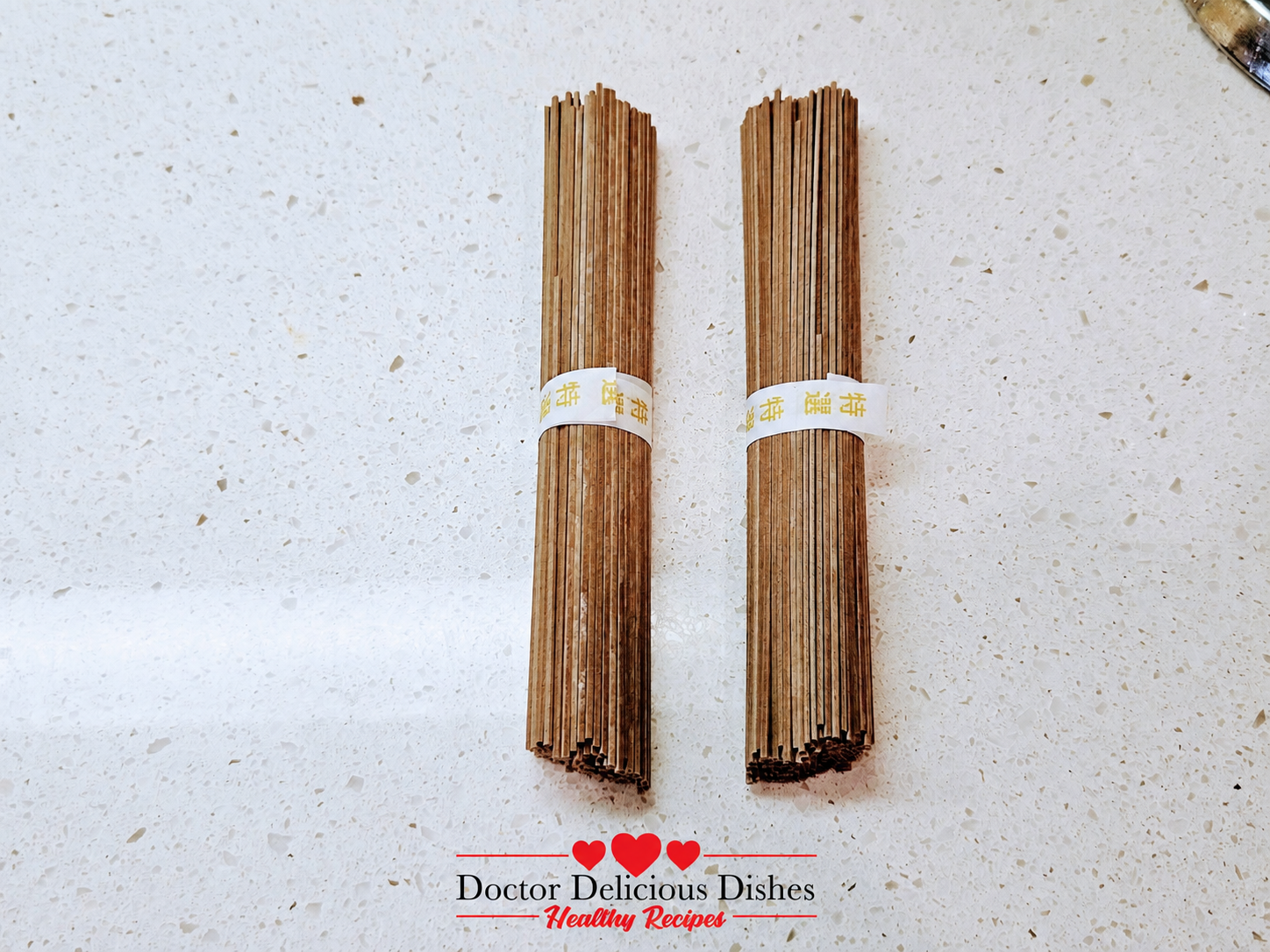
Soba noodles have been associated with both in Japan for generations, and I found a pack of 100% buckwheat soba for around $10.
I have paid more than ten dollars for things that brought me absolutely no good fortune. At least this one came with dinner. 😂
And a really good dinner! Cold soba has this roasted, nutty flavor that gets even better dipped into savory tsuyu, especially with those little pink-and-white fish cakes that somehow make a $10 dinner look way fancier than it has any right to. 😂🍜🍥
So when a friend told me she was running out of meal ideas for her son because he had to avoid wheat and gluten, I immediately asked,
"Have you tried buckwheat soba?"
She looked at me completely seriously.
"What is buckwheat?" 😳
For a second, I thought she was joking.
She was not.
How had nobody introduced this woman to soba noodles?! 😂
Now I really wanted her to try it!
I told her about the nutty noodles, the cold savory tsuyu, the fish cakes, and how easy the whole thing was to put together.
By the end of the conversation, she was ready to go find some.
I did make her slow down long enough for one important warning: buckwheat itself is gluten-free, but not every soba noodle is, so she still needed to check the ingredients carefully.
A few weeks later, I saw her again.
She did not even make me ask.
"He loves the soba!"
Her son did not just eat it.
He was asking her to make it again. 🥹🍜
Okay. Now I was ridiculously pleased with myself! 😂
A few weeks earlier, she had never even heard of buckwheat.
Now her son was asking for soba again.
Maybe those $10 good-luck noodles really did come with a little extra luck.
They also came with one side effect I forgot to mention: he wanted more! 😂🍜
Table of Contents
Why You'll Love These Cold Soba Noodles with Fish Cake 🍜🍥
- Quick and refreshing - From boiling the noodles to plating, dinner is ready in about 20 minutes. ⏱️
- Nutty and savory - Buckwheat soba has a naturally roasted flavor that tastes even better dipped into cold umami-rich tsuyu. 🍜
- Almost too pretty to be this easy - Pink-and-white fish cakes, shredded nori, daikon, and green onions turn a simple noodle plate into something special. 🍥
- Perfect for warm days - Cold noodles and chilled dipping sauce make this especially refreshing when you do not want a heavy meal. ☀️
- Easy to customize - Add wasabi, grated ginger, sesame seeds, extra daikon, or your favorite Japanese toppings. 🌿
- Gluten-free adaptable - Choose soba specifically labeled gluten-free and verify your fish cake and tsuyu if you need to avoid gluten. 🌾
Nutritional Benefits
Nutritional Benefits of Cold Soba Noodles 🌿✨
Buckwheat gives soba its distinctive nutty flavor while also providing fiber, plant protein, and minerals. Harvard's Nutrition Source includes buckwheat among whole-grain choices and notes that less-refined whole grains provide fiber and important micronutrients. 🌾 The Nutrition Source
The fish cake adds protein and savory flavor, while grated daikon, green onions, and nori add freshness without making the dish feel heavy. Because fish cakes and bottled tsuyu can vary considerably in sodium, I prefer letting the noodles and fresh garnishes do some of the flavor work instead of adding extra salt.
One important note: buckwheat itself is naturally gluten-free, but soba noodles are not automatically gluten-free. Many soba products contain wheat flour, so anyone who needs strict gluten avoidance should choose noodles specifically labeled gluten-free and check the fish cake and tsuyu as well. 🌿 Celiac Disease Foundation
Ingredients
Ingredients for Cold Soba Noodles with Fish Cake 🍜🍥
These are simple ingredients, but each one earns its spot. The soba brings the nutty flavor, the tsuyu supplies the deep Japanese umami, and the colorful toppings make the final plate look far more complicated than it actually is.
- 200 grams buckwheat soba noodles - The heart of the dish. Choose 100% buckwheat or certified gluten-free soba if gluten needs to be avoided. 🍜
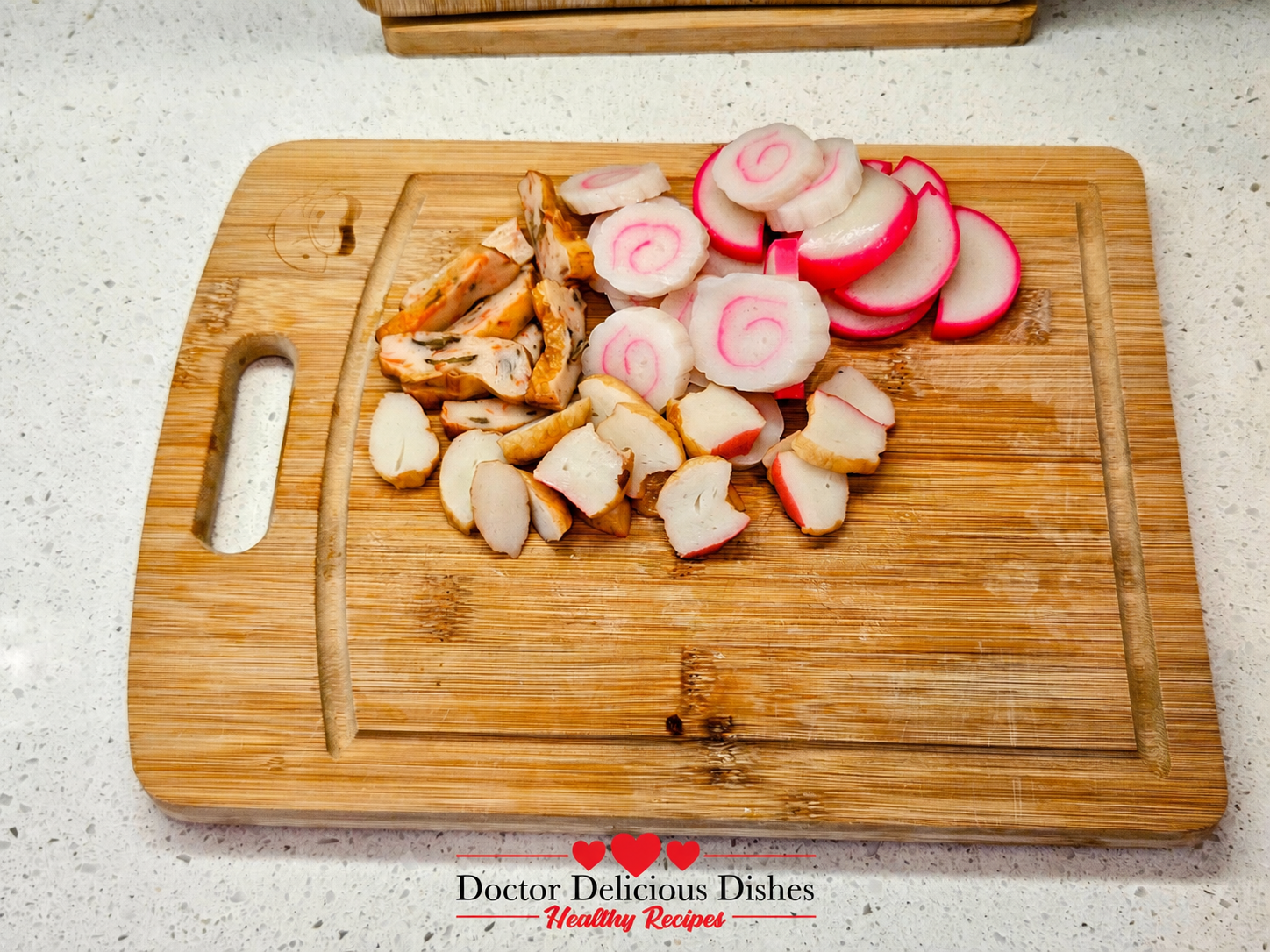
- 100 grams assorted Japanese fish cakes - I like a colorful combination such as narutomaki and kamaboko for that unmistakable pink-and-white Japanese presentation. 🍥
- 1 cup chilled soba sauce (tsuyu) - Deeply savory dipping sauce that gives cold soba its classic umami flavor. If yours is concentrated rather than straight tsuyu, dilute it according to the bottle directions. 🥣
- 1 sheet roasted nori, thinly sliced - Adds a crisp ocean-like umami finish over the noodles. 🌊
- 50 grams fresh daikon radish, grated - Cool and refreshing with just enough sharpness to balance the savory sauce. 🤍
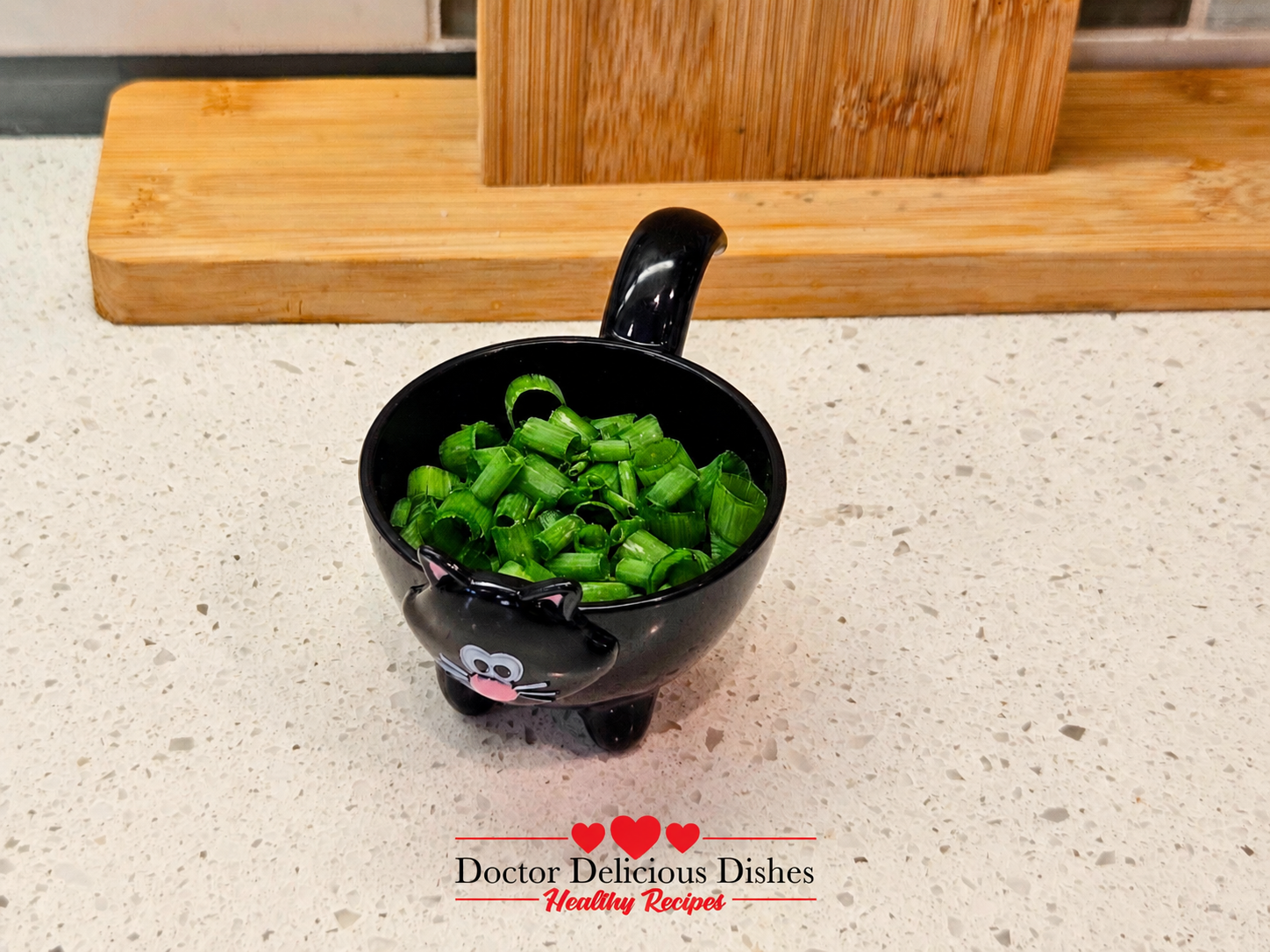
- 2 green onions, thinly sliced - Adds freshness and mild onion flavor to the dipping sauce. 🌱
Optional Additions
- Wasabi - For classic zaru soba heat. 🌿
- Freshly grated ginger - Adds a clean, fragrant bite.
- Toasted sesame seeds - Adds a little extra nuttiness and texture.
Instructions
How to Make Cold Soba Noodles with Fish Cake 🍜✨
This recipe is mostly about getting the noodle texture right. Cook them just until tender, rinse away the surface starch thoroughly, and drain them well before serving with cold tsuyu and all those beautiful Japanese toppings.
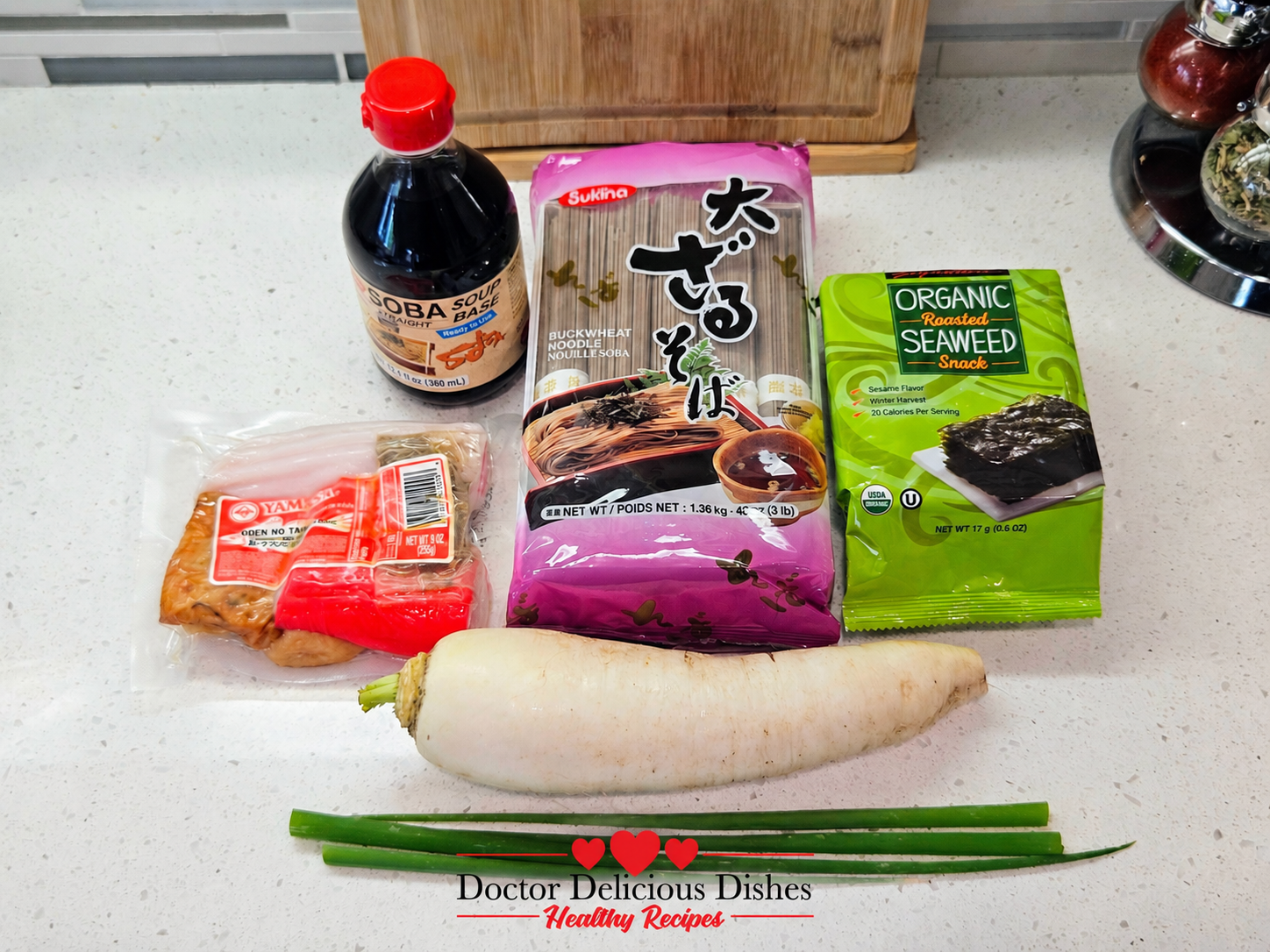
Step 1: Gather Your Ingredients 🥣
Set out the soba noodles, tsuyu, assorted fish cakes, nori, daikon radish, and green onions. Having everything ready matters here because once the soba is cooked and chilled, this recipe comes together very quickly.
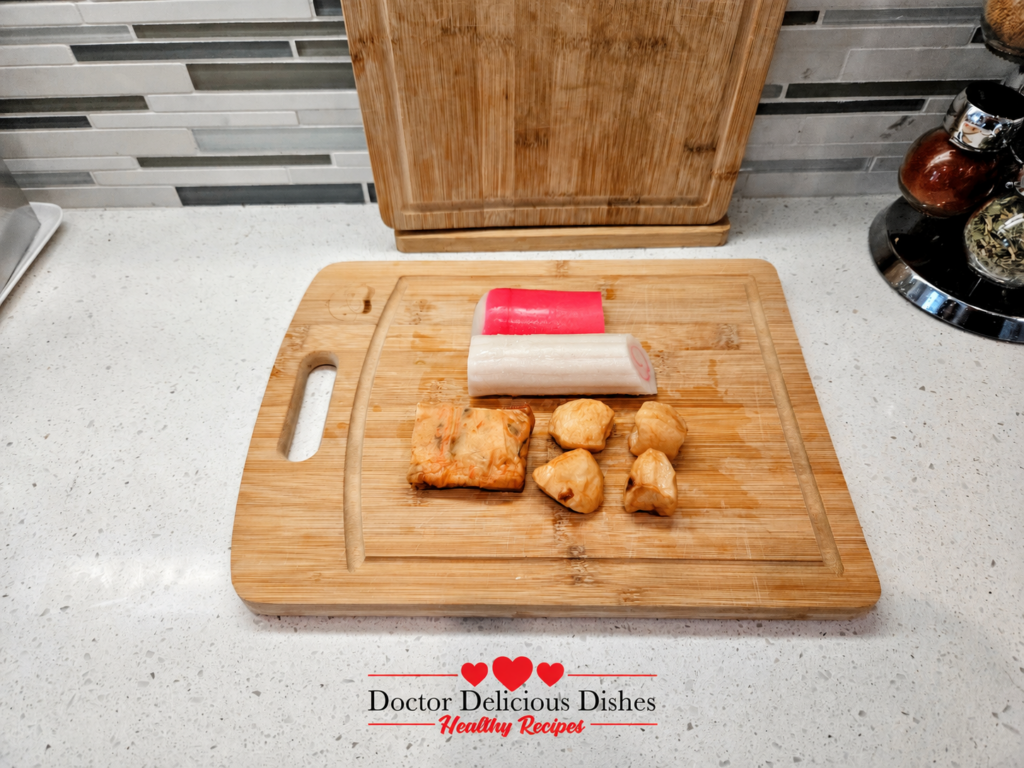
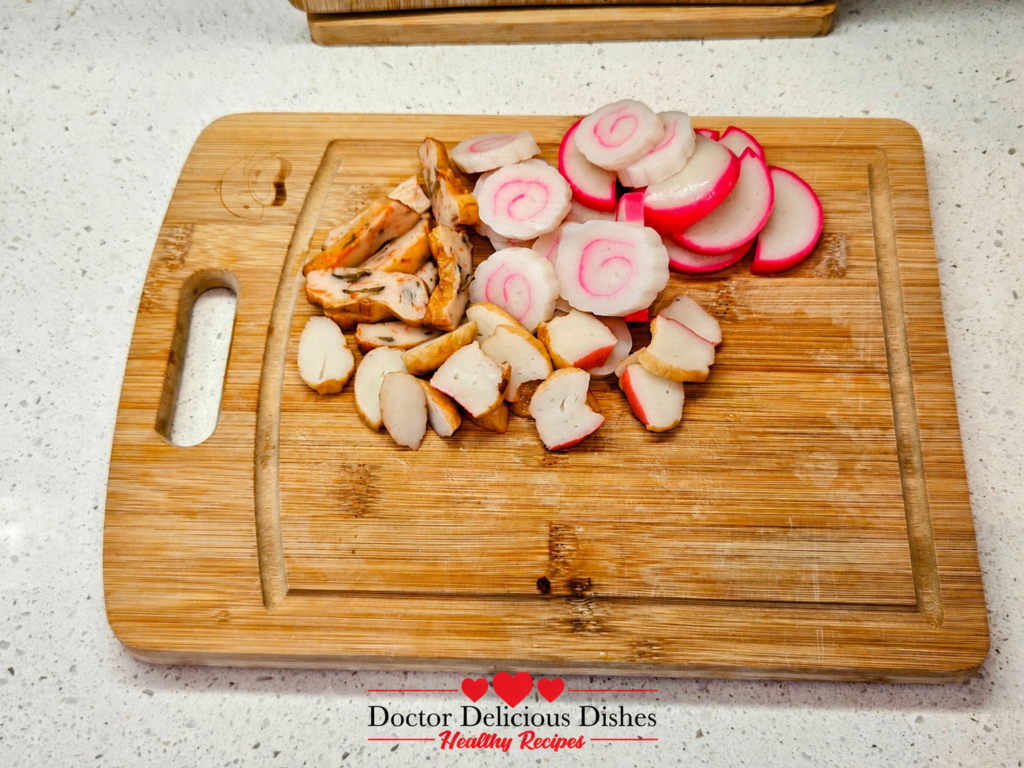
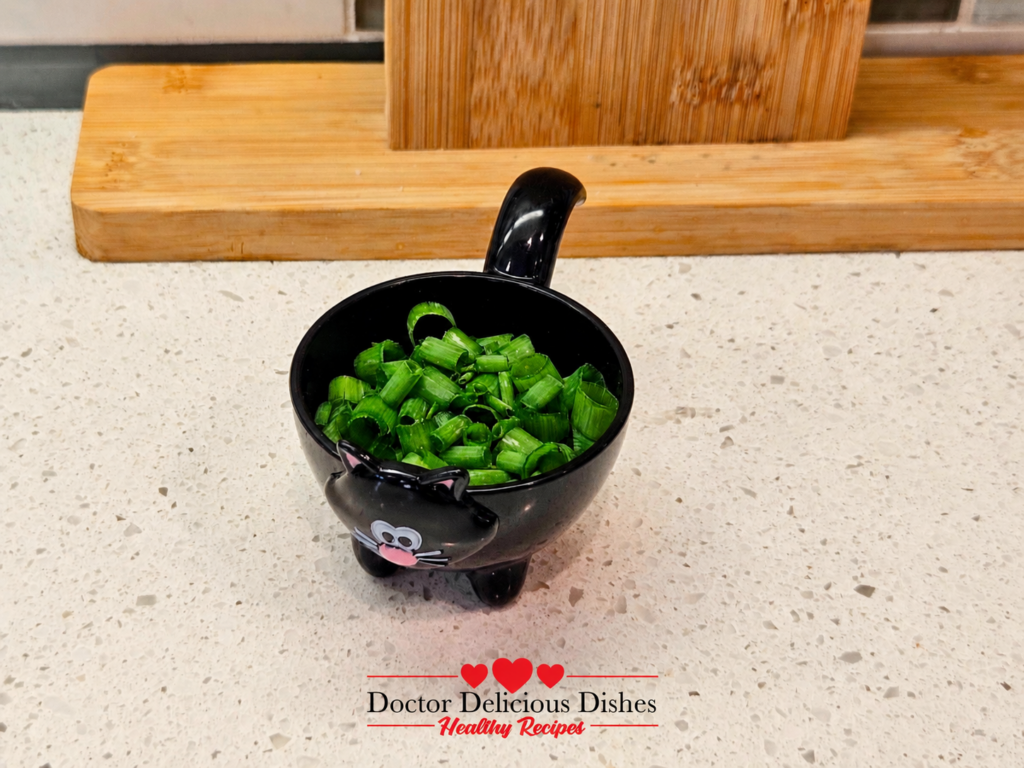
Step 2: Prepare the Fish Cakes and Garnishes 🍥
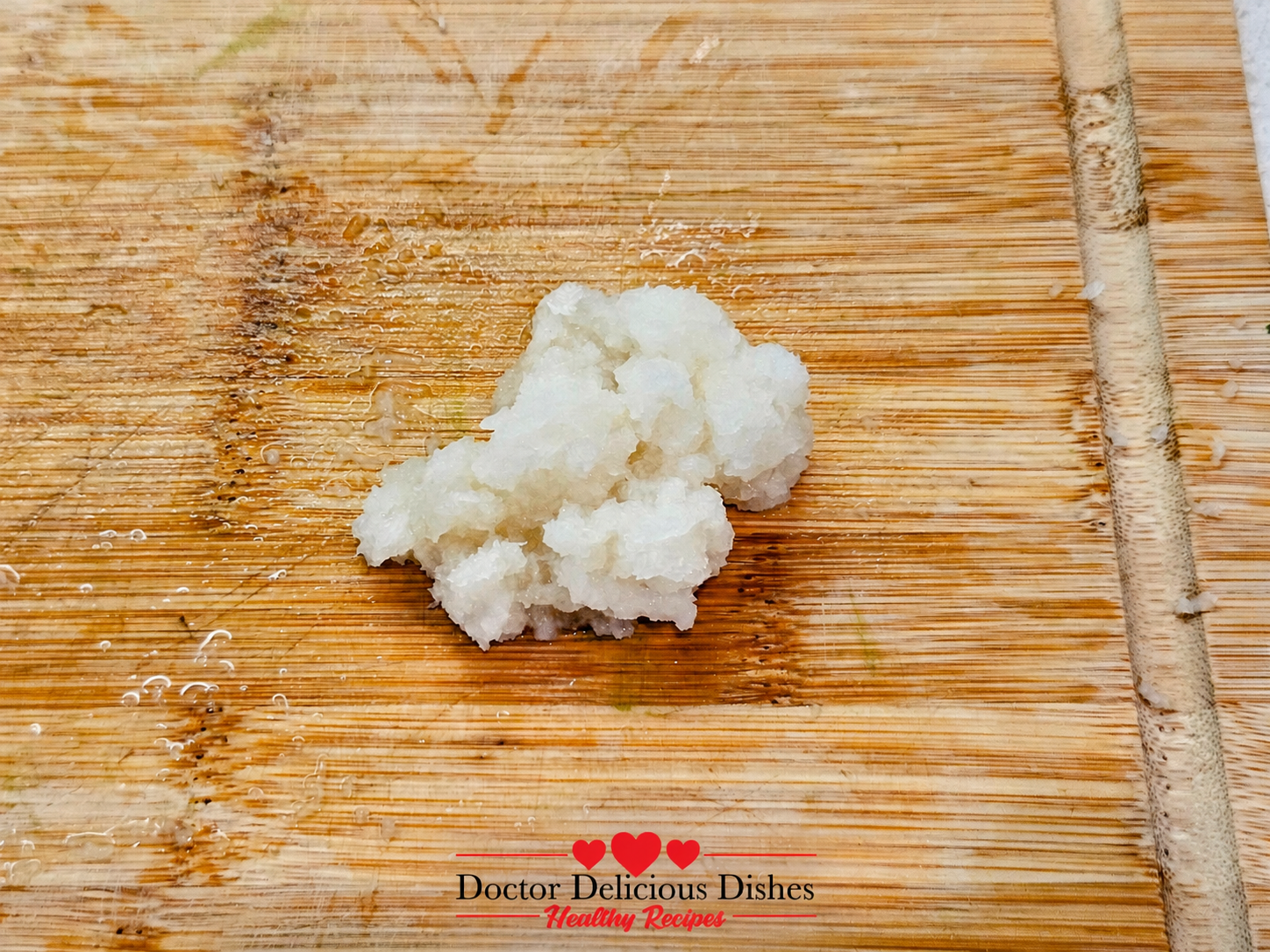
Slice the fish cakes into bite-size pieces so you get a mix of those beautiful pink edges and swirls on the finished plate. Thinly slice the green onions, grate the daikon, and cut the roasted nori into fine strips.
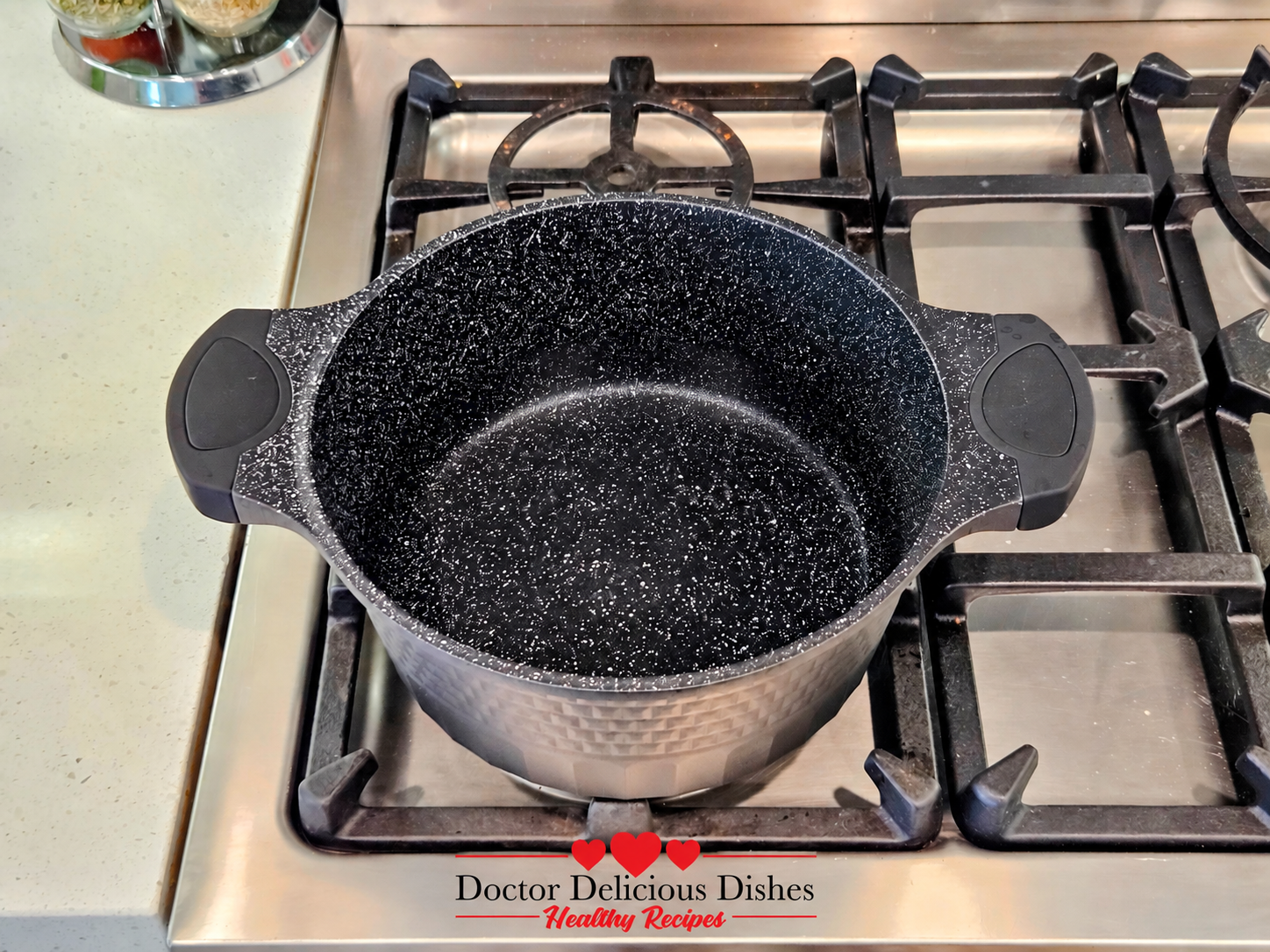
Step 3: Bring the Water to a Boil 💧
Bring a large pot of water to a full boil. Soba cooks quickly, so have your colander ready before the noodles go into the pot.
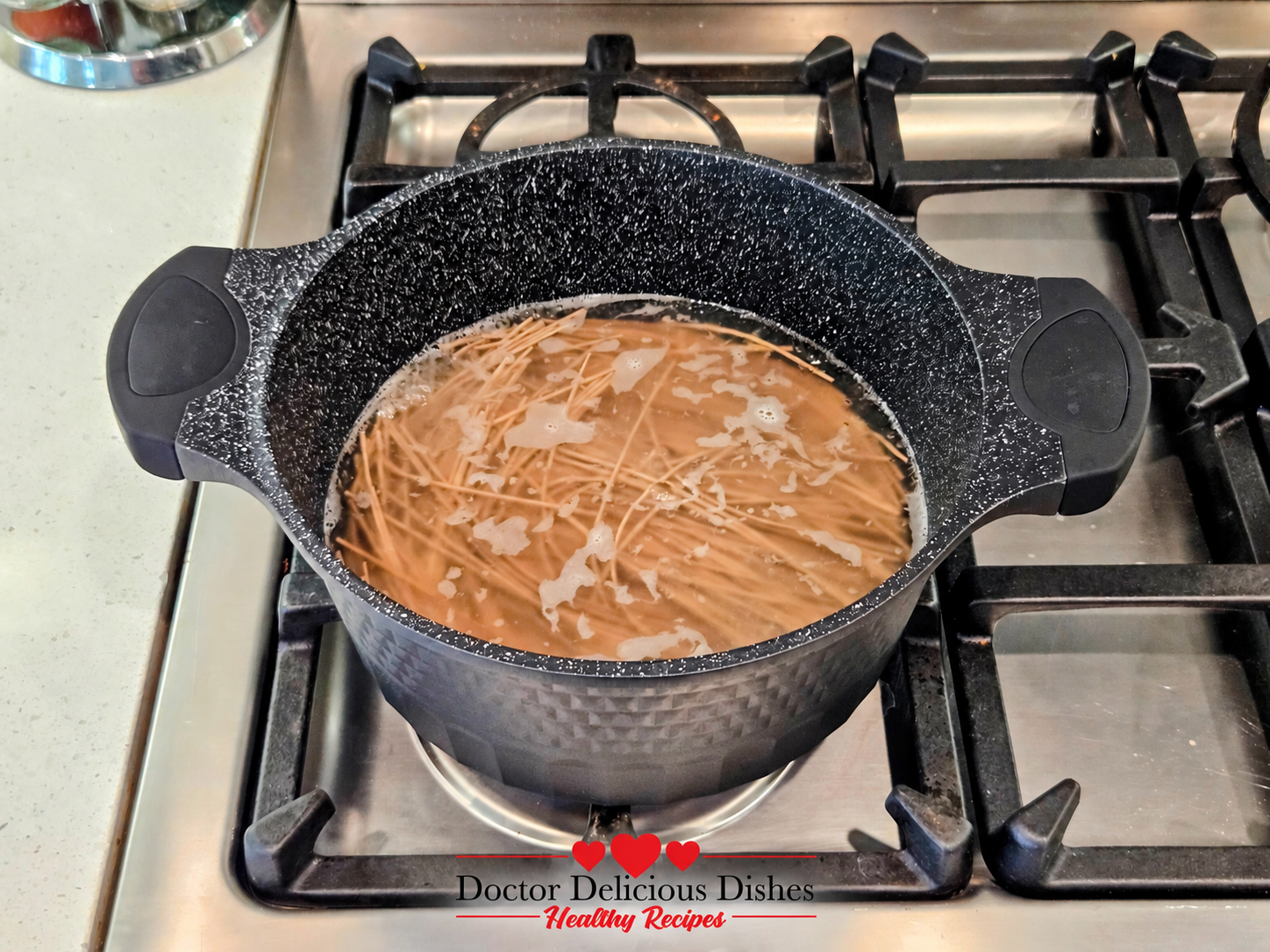
Step 4: Cook the Soba Noodles 🍜
Add the soba noodles and cook according to the package directions, usually about 5-7 minutes, until tender but still pleasantly firm. Give them a gentle stir shortly after adding them so the strands do not stick together.
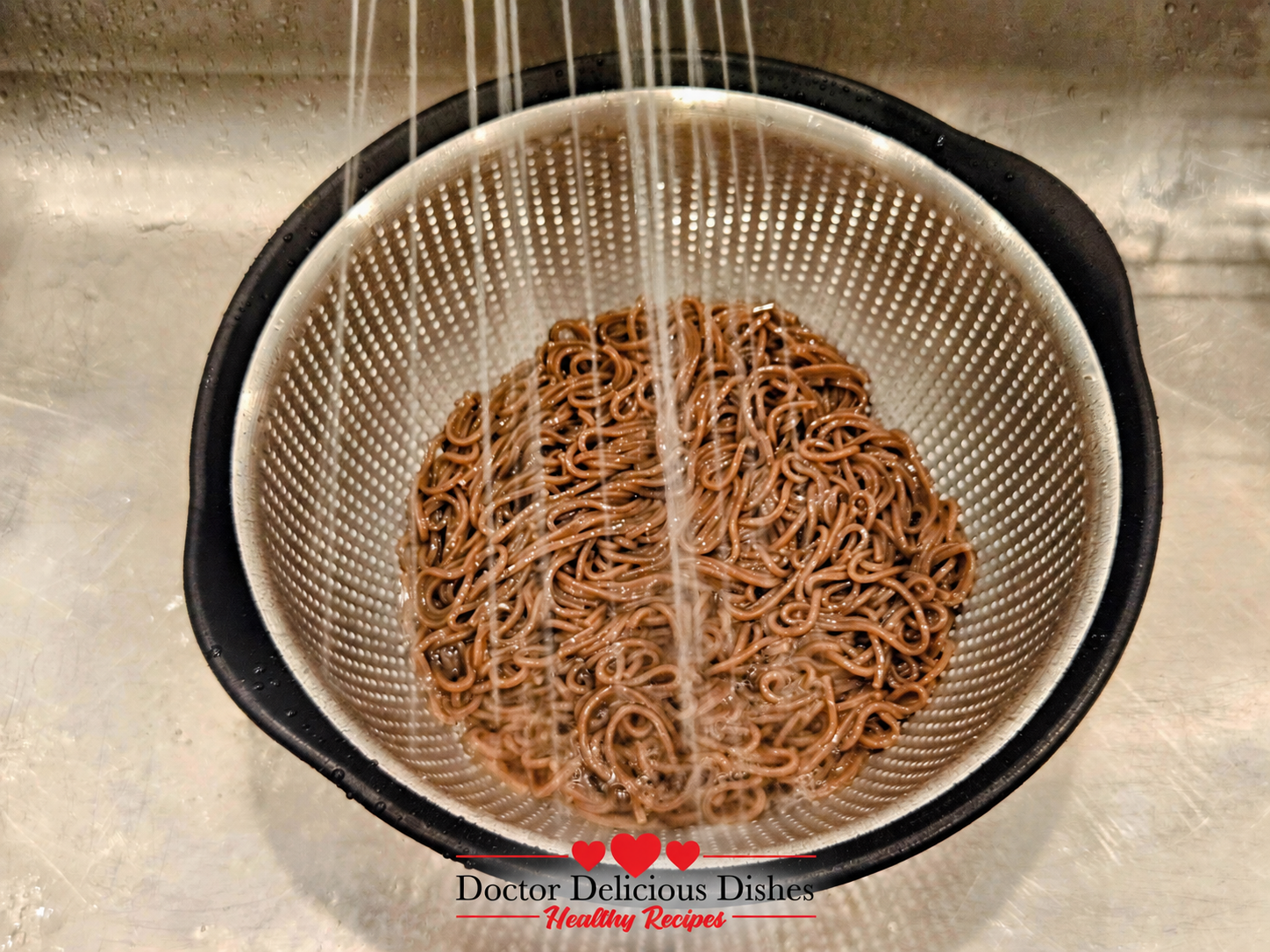
Step 5: Rinse the Soba Thoroughly ❄️
Drain the noodles immediately and rinse them generously under cold running water. Gently move the noodles with your hands as you rinse to remove the surface starch and cool them completely.
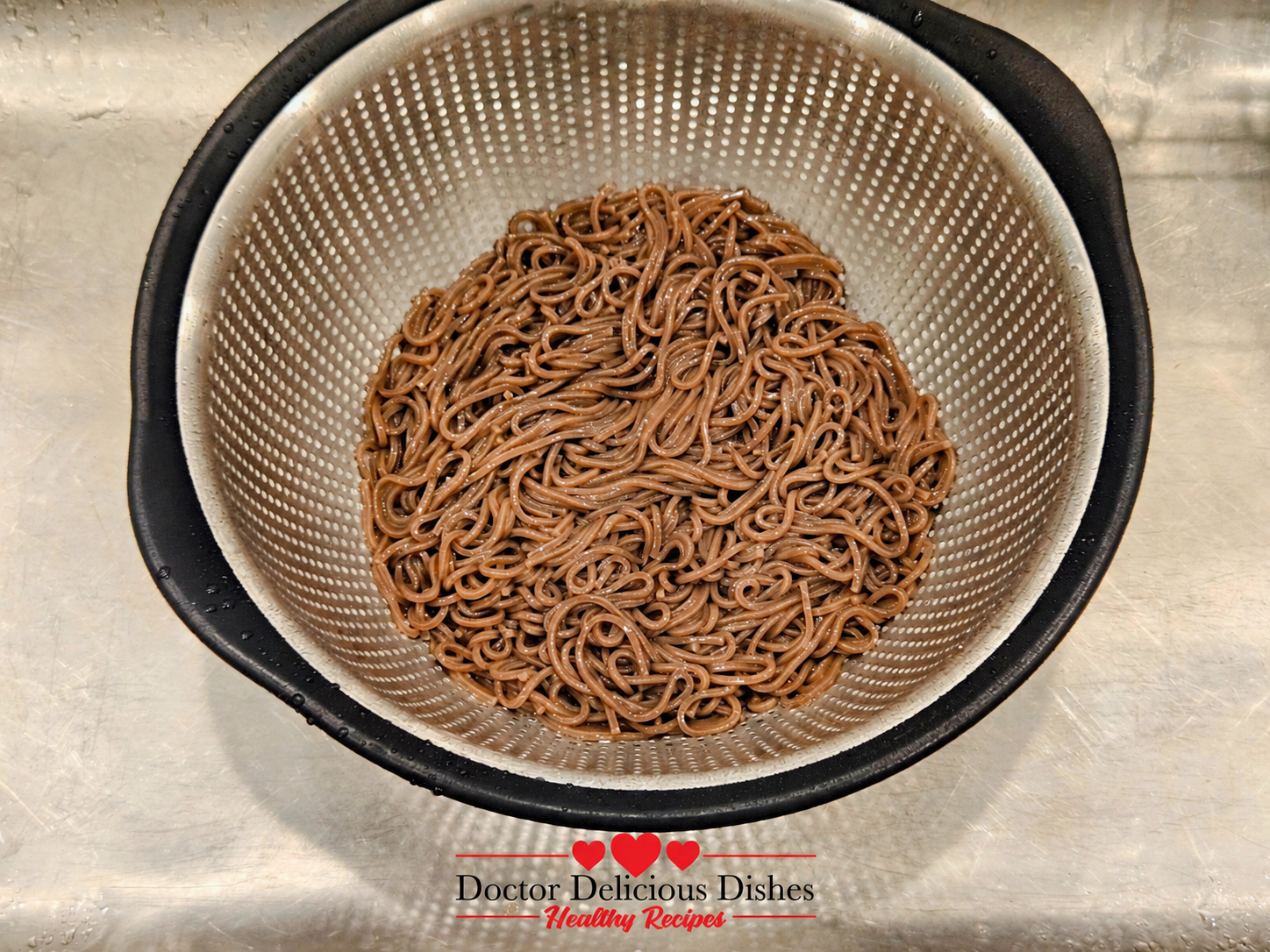
Step 6: Drain the Noodles Well 💦
Let the rinsed noodles drain thoroughly. Excess water can dilute your dipping sauce, so give the colander a few gentle shakes before plating.
Step 7: Prepare the Tsuyu 🥣
Pour chilled straight tsuyu into individual dipping bowls. If you are using concentrated tsuyu, dilute it according to the package directions, then add green onions or grated daikon if you like them directly in the sauce.
Step 8: Plate and Serve 🍜🍥
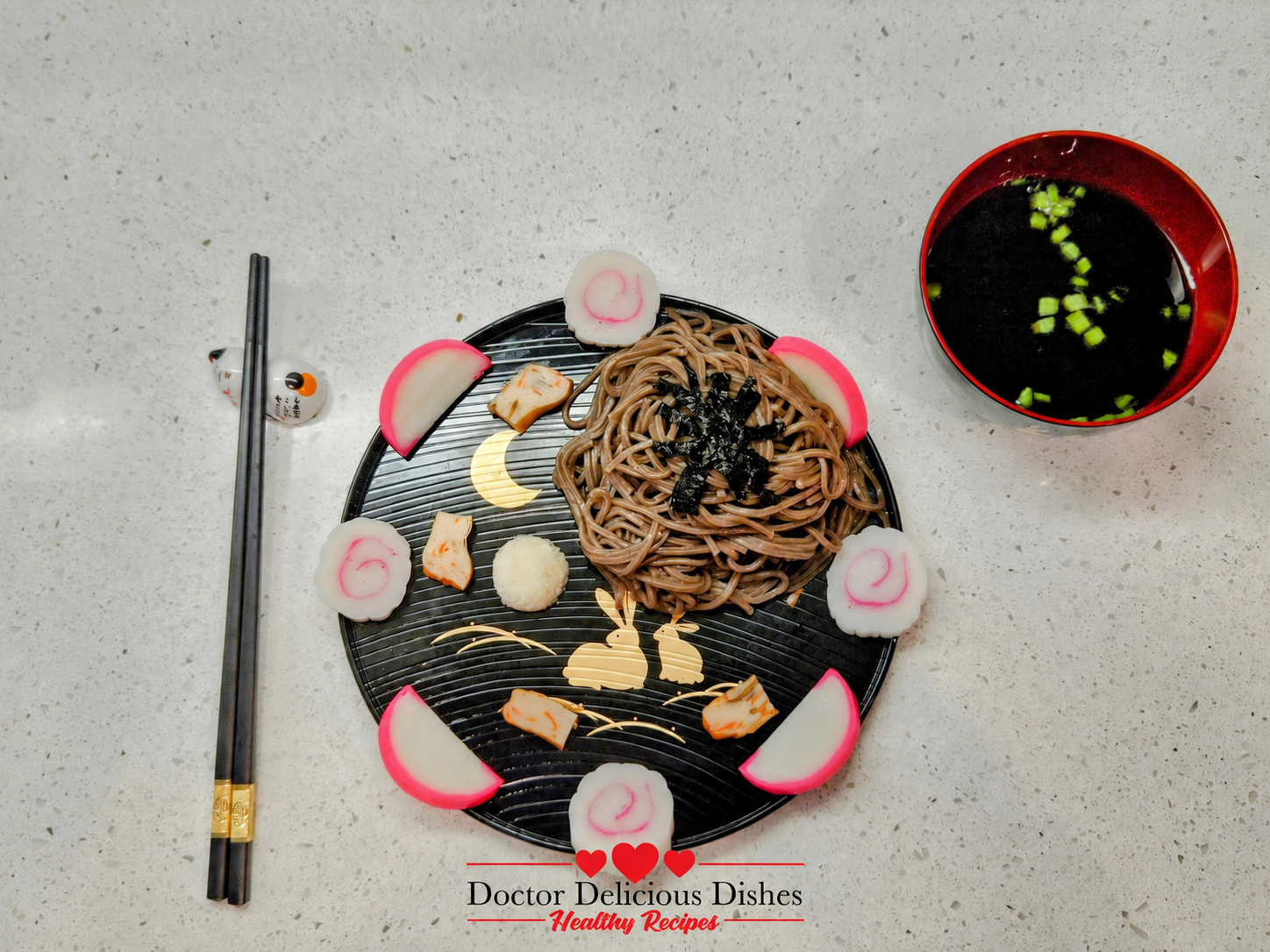
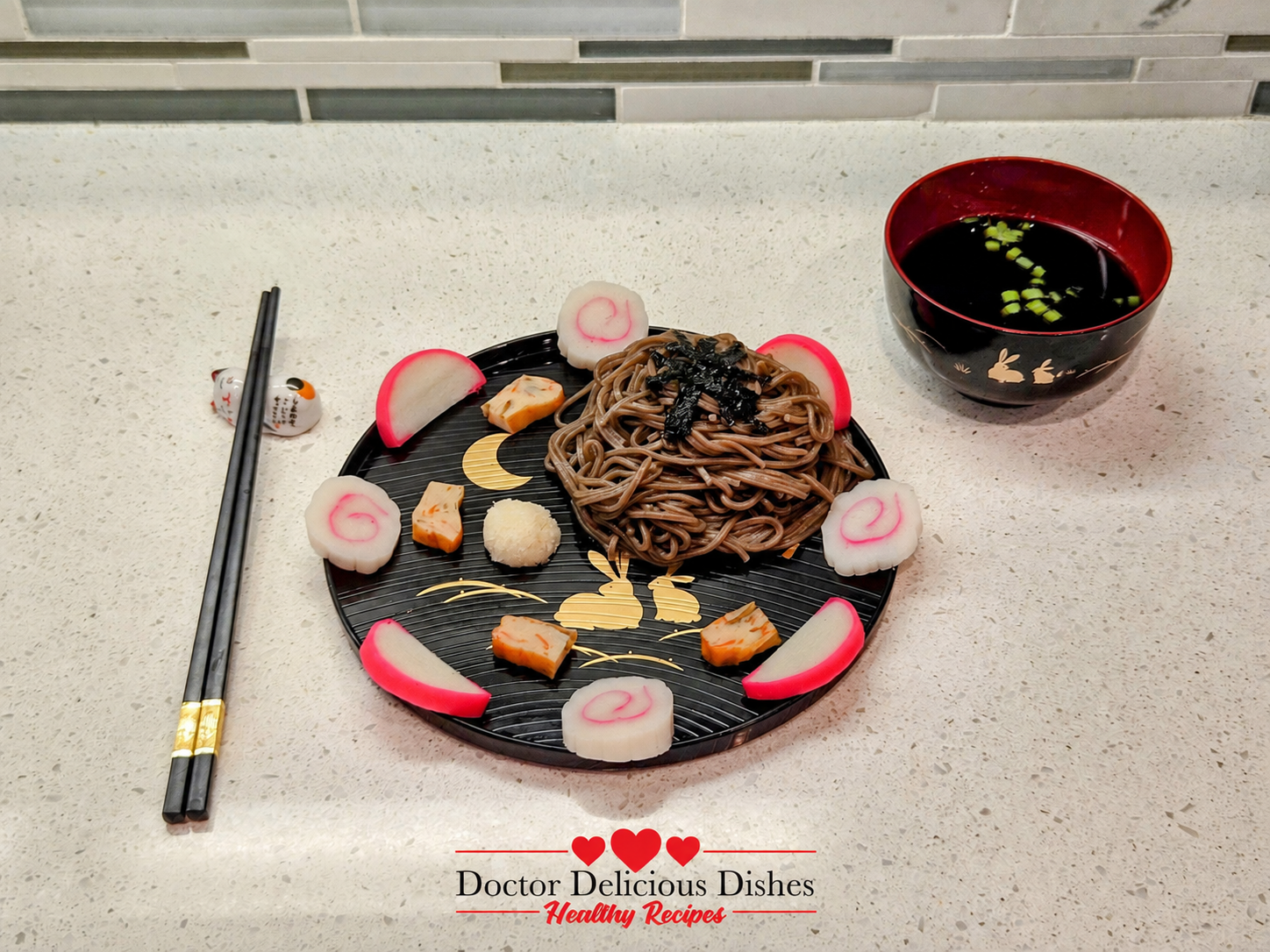
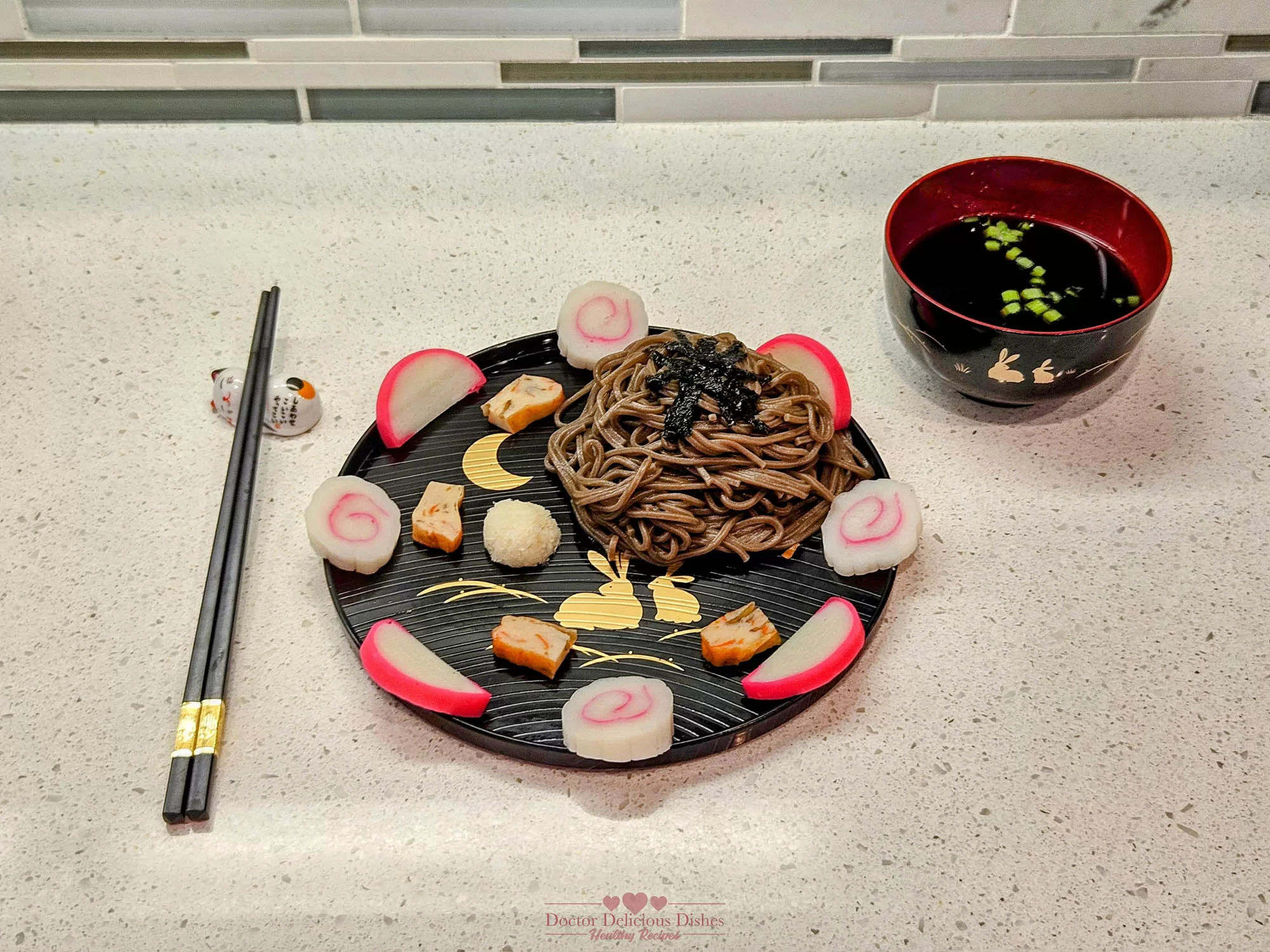
Arrange the cold soba noodles on a plate and top with shredded nori. Surround them with the sliced fish cakes and grated daikon, then serve the chilled tsuyu on the side for dipping.
And this is exactly where those pink-and-white fish cakes earn their place. Suddenly your simple bowl of noodles looks like you worked much harder than you actually did. 😂
Doctor Diana's Special Tip 💛🩺
Do not skip the cold-water rinse. It is one of the most important steps in making good cold soba.
Rinsing removes the extra surface starch that can make the noodles gummy and also stops the cooking immediately, leaving them cool, clean, and springy instead of soft and sticky. 🍜
And if you are preparing this for someone who needs to avoid gluten, remember that buckwheat does not automatically mean gluten-free soba. Check the noodle package, fish cake, and tsuyu rather than assuming from the word "buckwheat."
Pro Tips for the Best Cold Soba Noodles ⭐🍜
- Follow the noodle package timing - Buckwheat percentages vary, so one brand may cook faster than another.
- Rinse more than you think you need to - Cold water removes starch and gives zaru soba its clean, springy texture.
- Drain thoroughly - Water left on the noodles will weaken your tsuyu.
- Chill the dipping sauce - Cold noodles with cold tsuyu are much more refreshing.
- Know your tsuyu - Some bottles are ready to use, while concentrated versions must be diluted.
- Serve right away - Soba is at its best shortly after rinsing and draining.
- Check labels for gluten - If needed, use certified gluten-free soba and verify the fish cake and dipping sauce too. Celiac Disease Foundation
What to Serve with Cold Soba Noodles 🍱🥢
Cold soba can work as a light meal by itself, but it also fits beautifully into a Japanese-style lunch or dinner.
Air Fryer Edamame - Your garlic-soy version gives the meal something warm, savory, and snackable alongside the chilled noodles.
Air Fryer Shrimp - The Japanese garlic-butter flavor gives you a more substantial protein while keeping the entire meal quick.
Japanese Grilled Squid (Ikayaki) - A smoky seafood pairing that works especially well with cold noodles and tsuyu.
Air Fryer Chicken Katsu - Use this when you want a heartier Japanese meal with a crisp hot protein against the cool soba.
Frequently Asked Questions About Cold Soba Noodles 🍜❓
What are cold soba noodles?
Cold soba noodles are Japanese buckwheat noodles that are cooked, thoroughly rinsed in cold water, and served chilled. They are commonly eaten with a savory dipping sauce called tsuyu and toppings such as nori, green onion, daikon, or wasabi.
What is zaru soba?
Zaru soba is a Japanese preparation of chilled soba noodles served with tsuyu dipping sauce, traditionally on a bamboo tray called a zaru. Shredded nori is commonly served over the noodles, which fits the style of this recipe.
Are soba noodles gluten-free?
Not always. Pure buckwheat is naturally gluten-free, but many commercial soba noodles contain wheat flour, so choose a product specifically labeled gluten-free when strict avoidance is necessary. Celiac Disease Foundation
Why do you rinse soba noodles after cooking?
Rinsing removes excess surface starch and stops the noodles from continuing to cook. This gives cold soba a cleaner flavor and firmer, springier texture.
What is tsuyu?
Tsuyu is a concentrated or ready-to-use Japanese sauce commonly used for soba and udon. It typically has a savory, slightly sweet umami flavor and may need to be diluted depending on the brand.
What are the pink and white fish cakes served with soba?
Japanese fish cakes such as kamaboko and narutomaki are made from seasoned fish paste and steamed or cooked until firm. Narutomaki is especially recognizable by its pink spiral, which is why it makes this cold soba plate look so pretty. 🍥
Can I make cold soba noodles ahead of time?
You can prepare the toppings and chill the tsuyu ahead of time, but the noodles are best cooked and rinsed shortly before serving. Refrigerated cooked soba can begin to stick together and lose some of its springy texture.
Can cold soba be served as a main dish?
Absolutely. Fish cake gives this version additional substance, and you can pair it with edamame, shrimp, grilled fish, tofu, or chicken for a larger Japanese-style meal.
If You Loved These Cold Soba Noodles… 🍜✨
If these cold soba noodles made you wonder why every ten-dollar dinner cannot look this pretty, try these Japanese favorites next:
Authentic Hot Soba Noodle Soup with Fish Cakes - The cozy cold-weather counterpart to this chilled soba recipe.
Yaki Udon - Thick, chewy Japanese noodles stir-fried with savory flavor when you are craving something warmer and heartier.
Air Fryer Edamame - Garlicky Japanese-style edamame that makes an easy appetizer or side.
Air Fryer Shrimp - Quick Japanese garlic-butter shrimp that turns the noodles into a more substantial dinner.

Cold Soba Noodles with Fish Cake (Easy Zaru Soba Recipe) 🍜🍥
Description
These Cold Soba Noodles with Fish Cake combine nutty buckwheat noodles with chilled savory tsuyu, colorful Japanese fish cakes, shredded nori, grated daikon, and green onions. Ready in about 20 minutes, this refreshing Japanese zaru soba recipe is simple enough for lunch but pretty enough to make a ten-dollar dinner look surprisingly fancy.
Ingredients
Optional Additions:
Instructions
-
Gather Ingredients
Gather the soba noodles, fish cakes, tsuyu, nori, daikon, and green onions.
-
Prepare the Toppings
Slice the fish cakes, grate the daikon, chop the green onions, and cut the nori into thin strips.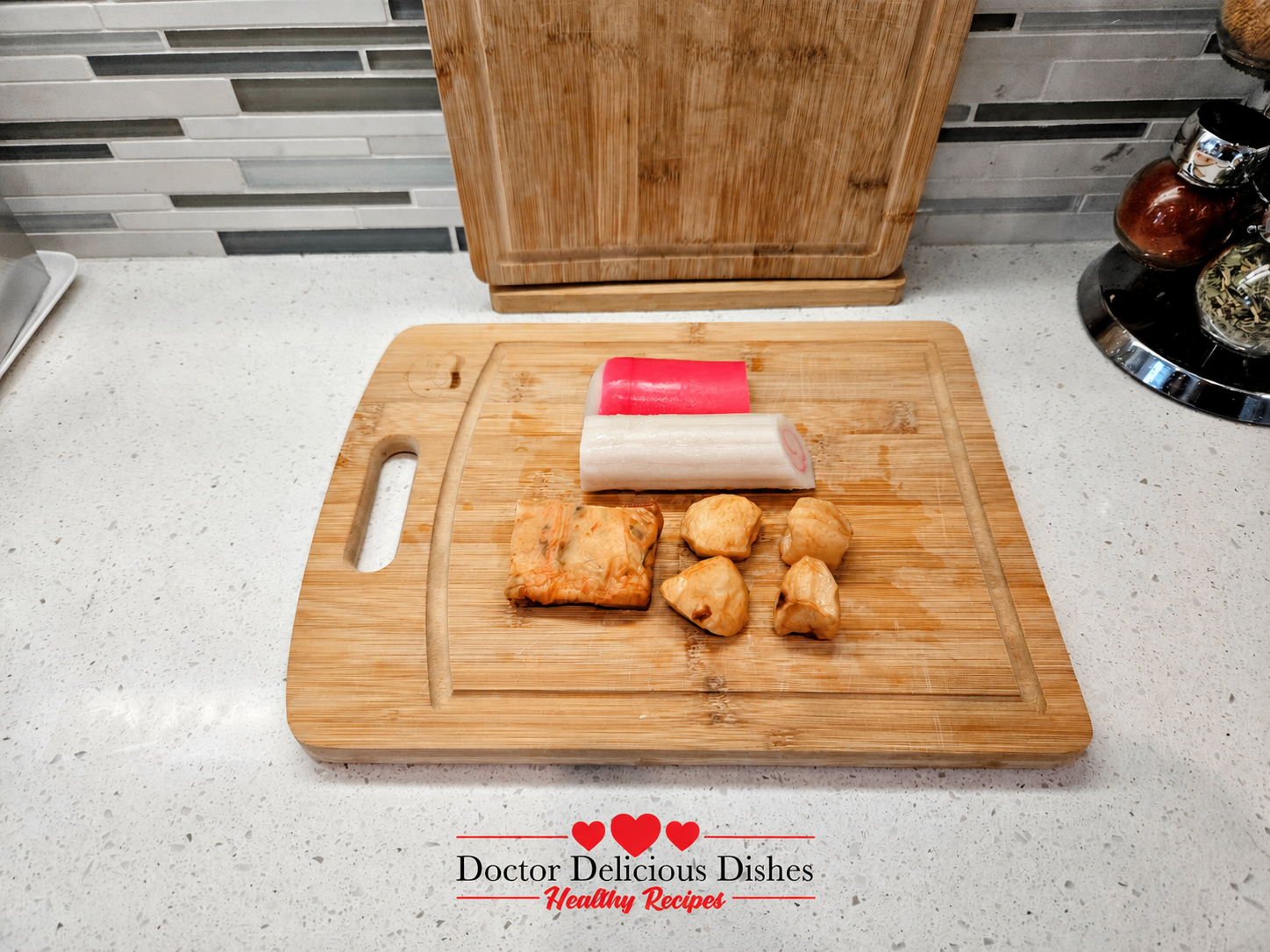
 +1 photos
 -
Cook the Soba
Boil the soba noodles according to the package directions, usually about 5–7 minutes.
-
Rinse and Drain
Drain the noodles and rinse thoroughly under cold running water until completely cool. Drain well.
-
Prepare the Tsuyu
Pour chilled straight tsuyu into dipping bowls. If using concentrated tsuyu, dilute according to the package directions. -
Plate and Serve
Arrange the cold soba with fish cake, nori, grated daikon, and green onions. Serve immediately with the chilled tsuyu on the side.
Equipment

As an Amazon Associate, I earn a small commission from qualifying purchases, which helps support my blog at no extra cost to you!
Thank you for your love and support!❤️
Nutrition Facts
Servings 2
Serving Size 1
- Amount Per Serving
- Calories 440kcal
- % Daily Value *
- Total Fat 3g5%
- Saturated Fat 0.5g3%
- Cholesterol 9mg3%
- Sodium 1100mg46%
- Potassium 110mg4%
- Total Carbohydrate 83g28%
- Dietary Fiber 3g12%
- Sugars 7g
- Protein 15g30%
- Vitamin C 8 mg
- Calcium 25 mg
- Iron 1 mg
- Vitamin K 30 mcg
* Percent Daily Values are based on a 2,000 calorie diet. Your daily value may be higher or lower depending on your calorie needs.